Sleep and rest
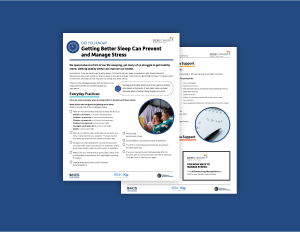
Getting quality sleep lowers our stress hormones, gives us energy, and makes us feel good. It also helps calm our brains and bodies when stressful things happen in our lives. But sometimes that can be easier said than done. There are things we can do to help us fall — and stay — asleep.
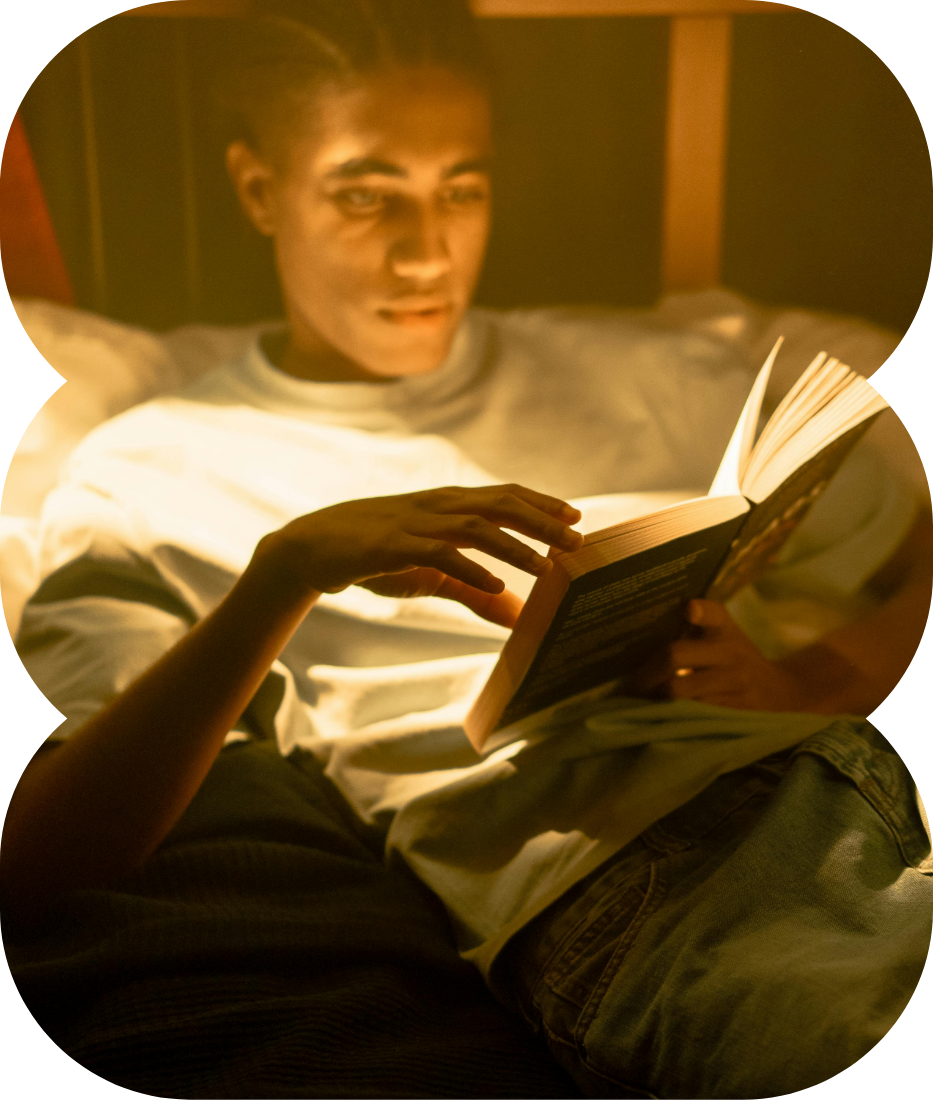
6 ways to rest and sleep well
- Try not to take problems to bed.
- Create a relaxing bedtime routine
- Rein in racing thoughts
- Limit screen time
- Avoid caffeine and heavy meals before bed
- Set the sounds
Your bedtime routine should feel easy and nurturing. By the time you’re finished you should feel relaxed.
- Set an alarm to signal preparing for bed
- Try to get to bed and wake up at the same time every day
- Create a pre-bedtime playlist
- Lower the lights
- Take a bath or shower
- Journal or meditate
Reduce screen time from phones, computers, tvs, and tablets for at least an hour or two before bed.
Research has found that the blue light from screens can mess with your body’s melatonin production, making it harder to fall asleep.
By cutting back on screens before bedtime, you help your body produce melatonin naturally, making it easier to fall asleep and sleep better.
Caffeine — like soda, energy drinks, or coffee — can keep you awake and make it hard to fall asleep, while heavy foods can make you feel uncomfortable and disrupt your sleep.
Opt for light snacks if you’re hungry before bed, and choose caffeine-free drinks in the evening to help your body wind down and get a good night’s sleep.
Create a bedtime playlist with sounds that help you relax — like calming music, guided meditations, or nature sounds.
Listening to these before bed can help signal to your body that it’s time to wind down and prepare for sleep.
Don’t know where to start? Explore YouTube, Spotify, or Apple Music for “sleep playlists.”
See Stress Busters in action
Stress Busters can become part of your daily routine pretty easily — without the need for more time or money. Hear from mental health professionals and young people across California about their own healing habits.

Dr. Rachel Gilgoff discusses the importance of sleep
Resources

Books for the journey
Explore these exciting fiction and non-fiction books about teens and young adults navigating messy situations and fighting for their place in the world.
LEARN MORE