Get outside

Being in nature — whether on a trail, in the countryside, or at a local park, green space, or garden— can reduce stress, calm our minds, boost our mood, and improve our overall mental and physical health.

It can also buffer the negative impacts of ACEs and toxic stress. The result? Stronger relationships, better communication, and healing from trauma.

5 ways to experience nature

  • Use all your senses
  • Enjoy nature without barriers
  • Bring the outside in
  • Hike for mental health
  • Nature-based therapy

Spending quality time outdoors opens up our senses to our surroundings. Taking in the sights, smells, and feelings of nature can help us reduce stress and calm anxiety.


You might have already seen the 5-4-3-2-1 Method on our Effects of ACEs page. It’s also perfect for being present in nature!

When you’re enjoying your time outdoors, think about:

  • Five things you can see
  • Four things you can touch
  • Three things you can hear
  • Two things you can smell
  • One thing you can taste
    (like a trail snack, mmmm)
Some of us experience barriers to spending time outside, including transportation limitations and feeling safe.
Try these activities:
  • Walk or wheel around the block. Invite others to join you or start/join an existing walking group at your local library or community center.
  • See if your county, local community center, or neighborhood family center has outdoor activities. Often these are low-cost or free.
  • Try out a hike for mental health or visit one of the hundreds of parks and trails in California.
  • Clear any debris from a small area of grass you have access to and stand in your bare feet. Focus on your senses and the feelings of being connected to the earth.
  • Listen to nature sounds on YouTube or streaming platform
  • Take care of a plant or start a small garden in a planter box.
  • Sit outside in the sunlight, or open your window coverings to let in natural light.

Indoor houseplants offer numerous benefits that can positively impact our well-being — such as improved air quality, stress reduction, enhanced mood, and of course that connection to nature. 

  • Choose plants that thrive indoors and require minimal care, such as snake plants, pothos, or peace lilies. 
  • Grow herbs like basil, mint, or rosemary in pots near bright windows. 
  • Take time to name your plants to build a deeper connection and joy in caring for them.

Our bodies make adrenaline to confront danger — whether it’s real or just feels that way. If we don’t use up that adrenaline, it builds up and can cause things like muscle tension and anxiety. 

Hiking is a great way to release that extra adrenaline. It also helps release endorphins, which boost our mood and help us avoid overthinking or getting stuck in unhelpful thought patterns. 

Try out a hike for mental health or one of the hundreds of parks and trails in California.

Did you know that there are therapists who specialize in nature-based therapy? There are also programs — such as gardening therapy and adventure-based treatment programs — that help build friendships and promote physical activity and mental health. 

Ask your medical provider for help finding a therapist or program that fits your needs, or contact your local county behavioral health department.


See Stress Busters in action

Stress Busters can become part of your daily routine pretty easily — without the need for more time or money. Hear from mental health professionals and young people across California about their own healing habits.

Dr. Rachel Gilgoff discusses experiencing nature

Resources

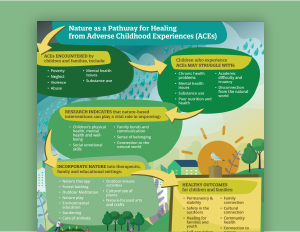
Nature as a Pathway for Healing from Adverse Childhood Experiences (ACEs)
Try this 5-4-3-2-1 Grounding Exercise on a Nature Walk
Mini Meditation | Appreciate Nature
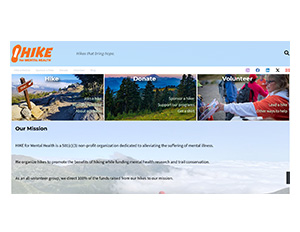
Hike for Mental Health
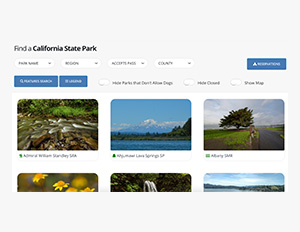
Find a CA State Park
Being in Nature Can Help Prevent and Manage Stress

Books for the journey

Explore these exciting fiction and non-fiction books about teens and young adults navigating messy situations and fighting for their place in the world.

LEARN MORE