Move your
body
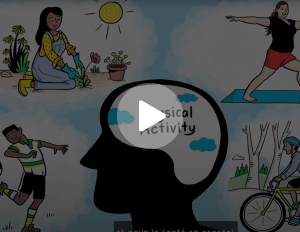
Physical activity is a powerful tool for reducing stress — it boosts energy levels and stimulates the release of endorphins, which naturally improve mood. It also lowers stress hormones like cortisol, making us feel less anxious.
Exercise can also take your mind off things. Finding time to do it can be challenging, but even simple activities like standing up while you work, using the stairs instead of the elevator, or stretching before bed can make a difference. Find activities you enjoy and make them a regular part of your routine to stay active and healthy.

6 ways to get moving
- Start with small changes
- Limit your sitting time
- “Take 15” to be active
- Make it social
- Use behavioral nudges
- Move with yoga
Studies have shown that sitting for long periods can be detrimental to our health. Set reminders to stand up, stretch, or walk around every hour.
If you need a reminder to move throughout the day, check out (app to be determined) to get notifications on your phone to move with how-to videos and movement breaks you can do anywhere.
Physical activity doesn’t have to be a full workout. Scientific studies agree that 15 minutes of exercise a day is enough to make a difference.
How you choose to exercise is unique to you! Take 5- to 15-minute breaks at school, work, or home throughout the day.
- Take the stairs
- Do 25 jumping jacks
- Pick up two water bottles and use them as weights for 10 minutes
- Do hopscotch or jump rope
- Ride a bike
- Dance!
Getting physically active with friends can be a great way to start, maintain, or increase your activity.
Plus, it can make exercising feel less like a chore and more like fun!
The next time you and a friend are planning a get-together, suggest doing something physical like hiking, playing sports, or going on a bike ride.
Behavioral nudges are small changes in your environment that help guide you towards your goals — like being more physically active.
Keep your gear visible. Place your workout clothes and equipment where you’ll see them often.
Use your phone to set alerts that remind you to get active.
Put up encouraging, motivational notes around your space.
Yoga can help manage stress, improve focus, and increase overall well-being. It promotes strength and relaxation, which can be really valuable when things are feeling tough.
Before diving into poses, start with simple breathing exercises for a few minutes a day.
Then look for yoga classes designed for beginners, either online or in-person, such as Yoga with Adriene or Down Dog.
See Stress Busters in action
Stress Busters can become part of your daily routine pretty easily — without the need for more time or money. Hear from mental health professionals and young people across California about their own healing habits.
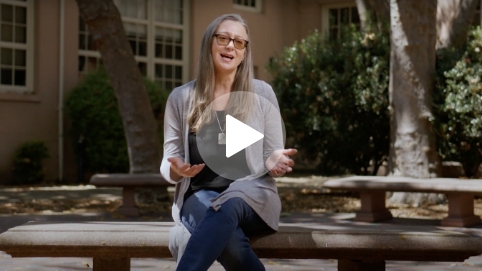
Dr. Rachel Gilgoff discusses the positive impacts of exercise
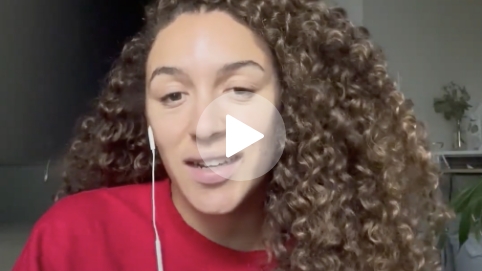
Jada shares her love of dance
Resources
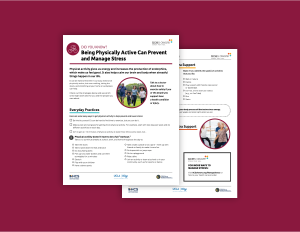
Books for the journey
Explore these exciting fiction and non-fiction books about teens and young adults navigating messy situations and fighting for their place in the world.
LEARN MORE