There are many free or low-cost ways to get more formal support for any challenges you’re experiencing as a result of ACEs or toxic stress. Soluna is an app designed for California youth and young adults that offers free, confidential sessions with live coaches and online communities. BrightLife Kids is an app for parents, caregivers, and kids ages 0–12.
Care for your
mental health
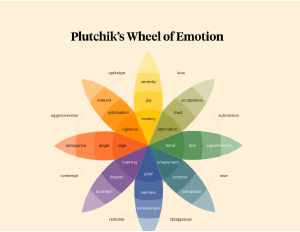
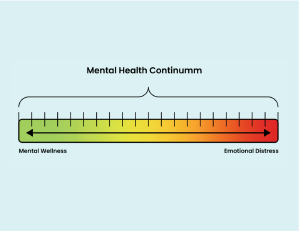
Our mental health includes our emotional, psychological, and social well-being. It affects how we feel, how we think about ourselves, how we relate to others, how we handle stress, and how we make choices. Our past doesn’t define our future, but experiencing ACEs makes it more likely that we might need some extra support with our mental health.
Caring for our mental health can take a variety of forms.
Many people dealing with the effects of ACEs and toxic stress find therapy to be helpful. Look for a therapist who practices trauma-informed care. Certain types of therapies, like Trauma-Focused Cognitive Behavioral Therapy (TF-CBT) and Eye Movement Desensitization Therapy (EMDR), have been found to be especially helpful for healing from trauma.
Plus, learning emotional regulation and coping skills can help us bounce back and maintain our mental wellbeing.

6 ways to care for your mental health
- Get connected to help
- Practice gratitude
- Get grounded
- Engage in creative outlets
- Make healthy routines
- Do uplifting things
Build a daily habit of reflecting on the things in your life you are grateful for. Create a gratitude journal, write thank-you cards, or pick one thing to share with family or a friend each day.
Feelings of gratitude can reduce the stress hormone cortisol in your body. Thankfulness can also boost your overall levels of motivation and life satisfaction.
Grounding tools can be used whenever you feel overwhelmed, anxious, or disconnected from the present moment.
These simple actions can act like “brain switches” that help you reset.
Practice them regularly so you’ll know how to “reset” when you need to.
- Touch something solid and focus on the specifics of how it feels.
- Describe your surroundings to yourself, either in your head or out loud.
- Dunk your hands in water and focus on the sensation and temperature.
- Hold a piece of ice or take a cold shower.
Creative activities like writing, drawing, painting, or crafting are fantastic ways to express and process your emotions. They’re also a mood-boosting positive distraction from daily stress.
- Do some drawing: Grab pencils and paper, and try sketching how you feel…or whatever comes to mind.
- Play with painting: Pick up some basic paints and canvas or paper, and let your creativity flow. You can follow online tutorials or just paint what you feel.
- Get into crafting: Start with easy craft projects like making friendship bracelets, decorating notebooks, or knitting.
When you have a set schedule, like regular times for meals, sleep, studying, hanging out, or exercising, your day becomes more predictable. This can lower stress, help you manage your time, and make life feel more steady.
- Create morning and evening rituals: Start your day with a simple morning ritual, like listening to a favorite song or journaling. At night, set up a relaxing routine, such as reading a book or doing something calming.
- Personalize your space: Set up your living space to support what works for you best. For example, make your study space tidy and distraction-free.
- Your routine should work for you: If you get off your routine, don’t stress. If you’re struggling to stick to it, ask yourself what adjustments can help a routine fit your needs and lifestyle.
It might seem obvious, but in the busyness of life, we can forget to take time for what makes us happy.
Regularly do what brings you joy, like hobbies, spending time outdoors, playing video games, or even just taking a bath.
This will also support your mental well-being!
- Look for ways to combine self-care with other tasks, like listening to a favorite podcast while cleaning.
- If you use your calendar, schedule in self-care time.
- Reach out to colleagues, friends, and family to help lighten your load, so you have more time for you.
See Stress Busters in action
Stress Busters can become part of your daily routine pretty easily — without the need for more time or money. Hear from mental health professionals and young people across California about their own healing habits.

Dr. Rachel Gilgoff discusses mental health

Sharon's journey of starting therapy
Resources

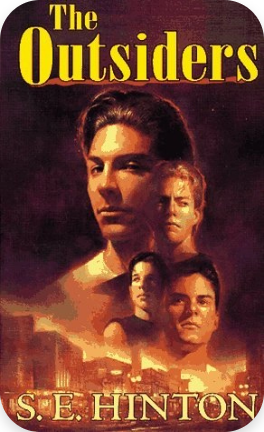
Books for the journey
Explore these exciting fiction and non-fiction books about teens and young adults navigating messy situations and fighting for their place in the world.
LEARN MORE